Natural Sleep Supplements: What Actually Helps Sleep Quality, Stress and Overnight Recovery?
19.05.2026
Sleep is one of the most important biological processes for recovery, cognitive performance, immune function, metabolic health, and long-term wellbeing. Yet modern lifestyles increasingly work against it.

Stress, overstimulation, inconsistent routines, late-night screen exposure, poor recovery habits, and high cognitive load have all contributed to rising interest in natural sleep support.
As a result, searches for terms such as “natural sleep supplements,” “best supplements for sleep,” “how to improve sleep quality naturally,” and “overnight recovery” continue to rise across the UK and US.
But with so many sleep products now available, many people are asking the same question:
What actually helps sleep quality - and what is mostly hype?
This guide explores the science behind natural sleep support, including stress regulation, nervous system recovery, circadian rhythm, and the role certain supplements may play within a broader sleep-focused lifestyle.
Why Sleep Quality Matters More Than Sleep Quantity
Sleep plays a vital role in good health and well-being throughout your life. Sleep is not simply “switching off.” During sleep, the body carries out critical restorative processes linked to:
- Cognitive recovery
- Memory consolidation
- Hormonal regulation
- Cellular repair
- Immune function
- Nervous system balance
Importantly, poor sleep quality can occur even when someone technically gets enough hours in bed.
This is why many people report:
- Waking unrefreshed
- Feeling mentally “wired but tired”
- Poor recovery after exercise or stress
- Difficulty switching off mentally at night
Modern sleep science increasingly focuses on improving sleep quality and overnight recovery, rather than just increasing total sleep duration.
Stress, Cortisol and the “Always On” Nervous System
One of the most common drivers of poor sleep today is chronic nervous system activation.
Many people do not necessarily have a “sleep problem” in isolation. Instead, they struggle to transition from:
- Performance mode
- Cognitive stimulation
- Chronic stress load
into a true physiological recovery state.
Stress hormones such as cortisol naturally rise and fall throughout the day. However, chronic stress, excessive stimulation, and poor recovery habits may disrupt this rhythm.
This can contribute to:
- Difficulty falling asleep
- Lighter sleep
- Frequent waking
- Reduced overnight recovery
This is one reason stress-supportive adaptogens and calming compounds have become increasingly researched within sleep support.
What Actually Helps Sleep Naturally?
Natural sleep support tends to work best when it addresses the underlying biology of recovery rather than simply forcing sedation.
The most effective approaches usually involve:
- Circadian rhythm support
- Nervous system downregulation
- Stress reduction
- Recovery optimisation
- Sleep environment improvements
This is why sustainable sleep support is rarely about a single supplement alone.
Reishi and Sleep Support
Among functional mushrooms, Reishi has become one of the most closely associated with calm, balance, and overnight recovery.
Traditionally used for relaxation and nervous system support, modern interest in Reishi focuses on:
- Stress resilience
- Nervous system regulation
- Relaxation support
- Sleep quality support
Unlike stimulant-based “sleep aids,” Reishi is generally discussed in the context of supporting the body’s natural recovery processes.
This makes it particularly relevant for people experiencing:
- Stress-driven sleep disruption
- Cognitive overstimulation
- Poor overnight recovery
- Difficulty unwinding in the evening
Why Liquid Tinctures Are Increasingly Preferred
The delivery format of a supplement can matter significantly.
Within functional mushrooms, liquid tinctures are increasingly preferred over capsules because:
- They are rapidly absorbed
- Bioactive compounds are already extracted
- Dual extraction improves access to key compounds
- They avoid large amounts of inactive powder material
This is particularly relevant for compounds used within evening recovery routines, where fast and efficient absorption may be beneficial.

Magnesium, Nervous System Function and Sleep
Magnesium is one of the most widely researched nutrients in relation to:
- Nervous system regulation
- Muscle relaxation
- Stress response
- Sleep quality
Low magnesium status may contribute to:
- Restlessness
- Muscle tension
- Difficulty relaxing
- Poor sleep quality
However, magnesium is not a sedative. Its role is better understood as supporting the nervous system processes involved in relaxation and recovery.
Overnight Recovery and Biological Repair
Sleep and recovery are also closely connected, with sleep being one of the body’s most important periods for:
- Cellular repair
- Hormonal regulation
- Glymphatic clearance in the brain
- Tissue recovery
This is why poor sleep often affects:
- Mood
- Energy
- Exercise performance
- Cognitive clarity
- Stress tolerance
Over time, chronic poor sleep is also associated with broader health consequences, including metabolic dysfunction and reduced resilience.
Sleep, Ageing and NAD⁺ Biology
An emerging area of interest within longevity science is the relationship between sleep, ageing, and NAD⁺ biology.
NAD⁺ is involved in:
- Cellular energy production
- Circadian rhythm regulation
- Mitochondrial function
- Cellular repair pathways
Because NAD⁺ levels naturally decline with age, researchers are increasingly exploring how this may interact with sleep quality and recovery.
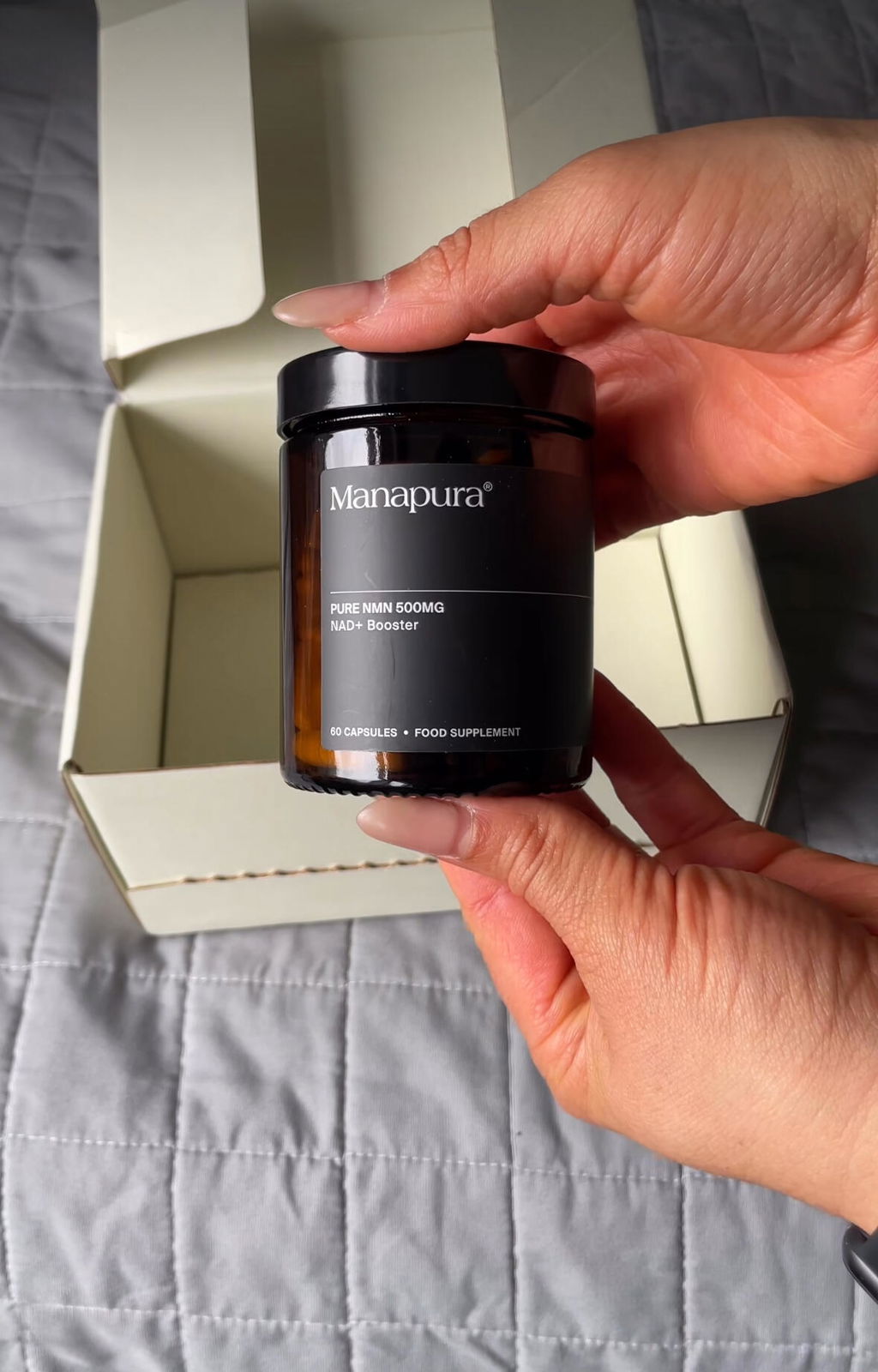
This has contributed to growing interest in compounds such as NMN within broader recovery and healthy ageing discussions, as discussed in our NMN sleep article.
Building a Better Evening Recovery Routine
Supplements work best when combined with strong behavioural foundations.
Key evidence-based sleep habits include:
- Reducing bright light exposure at night
- Maintaining consistent sleep timing
- Limiting late caffeine intake
- Managing evening stress load
- Creating a cool, dark sleep environment
- Reducing late-night overstimulation
Small improvements in recovery habits often compound significantly over time.
What Natural Sleep Supplements Should Not Do
One of the biggest misconceptions around sleep supplements is that stronger sedation automatically equals better sleep.
In reality, good sleep support should ideally:
- Support natural recovery
- Help the nervous system downshift
- Improve sleep quality rather than simply induce drowsiness
- Support overnight restoration
The goal is not to “knock yourself out,” but to create the biological conditions that allow restorative sleep to happen more naturally.
Manapura’s Approach to Sleep and Recovery
At Manapura, we view sleep through the broader lens of:
- Recovery
- Nervous system regulation
- Longevity
- Cellular resilience
This means focusing on:
- Evidence-led ingredients
- Clean formulations
- Functional biology rather than trends
- Supporting long-term recovery foundations
Our approach aligns closely with the growing understanding that sleep quality is one of the most important drivers of both short-term performance and long-term healthspan.

Final Thoughts
Sleep quality influences almost every aspect of physical and mental wellbeing. Good sleep is essential for our health and emotional well-being.
Natural sleep supplements are most effective when they support the body’s deeper recovery systems rather than simply masking symptoms with heavy sedation.
For many people, improving sleep quality involves:
- Better stress regulation
- Better recovery habits
- Circadian rhythm support
- Nervous system balance
- Thoughtful supplementation where appropriate
Over time, these small improvements in overnight recovery can have meaningful effects on:
- Energy
- Focus
- Resilience
- Mood
- Long-term health
Because ultimately, recovery is not separate from health - it is one of its foundations.
Frequently Asked Questions
-
What are the best natural sleep supplements?
The most commonly researched natural sleep supplements include magnesium, Reishi mushroom, melatonin, and calming adaptogenic compounds that support nervous system regulation.
-
Does Reishi help sleep?
Reishi is commonly discussed in relation to relaxation, stress resilience, and overnight recovery support.
-
What helps sleep quality naturally?
Improving sleep quality naturally usually involves stress reduction, circadian rhythm support, consistent sleep timing, and good recovery habits.
-
Does magnesium help sleep?
Magnesium may support nervous system relaxation and sleep quality, particularly in people with low magnesium intake or high stress load.
-
Why do I feel tired even after sleeping?
Poor sleep quality, stress, disrupted sleep architecture, and nervous system overstimulation may all contribute to waking unrefreshed despite sufficient sleep duration.
References
National Heart, Lung, and Blood Institute (NIH).
Why Is Sleep Important?
https://www.nhlbi.nih.gov/health/sleep/why-sleep-important
Abbasi, B., et al. (2012).
The effect of magnesium supplementation on primary insomnia in elderly: A double-blind placebo-controlled clinical trial.
Journal of Research in Medical Sciences.
https://pmc.ncbi.nlm.nih.gov/articles/PMC3703169/
Sleep Foundation.
Why Do We Need Sleep?
https://www.sleepfoundation.org/physical-health/why-do-we-need-sleep
Centers for Disease Control and Prevention (CDC)
Sleep and Sleep Disorders.
https://www.cdc.gov/sleep/about/index.html
Disclaimer: This article is for general information and educational purposes only and is not medical advice. Manapura products are food supplements, not medicines, and should not be used to diagnose, treat, cure, or prevent any disease. If you have a medical condition, take prescription medication, are pregnant or breastfeeding, always consult your healthcare professional before use.
Welcome to Manapura.